Rhea The Goddess Of Mother Day  

Posted by Unknown

Rhea The Goddess Of Mother Day Image
THE TRADITION TO HONORING MOTHERS DATES BACK TO THE ANCIENT GREEK FESTIVALS DEDICATED TO THE MOTHER GODDESS, "RHEA". THE ANCIENT FESTIVAL WAS CALLED "HILARIA". IT USUALLY INCLUDED THREE DAYS OF GAMES, PARADES, ENTERTAINMENT, AND FOOD. RHEA WAS A TITAN, THE DAUGHTER OF GAIA AND THE MOTHER OF MANY IN THE GREEK PANTHEON...INCLUDING ZEUS. SHE WAS THE GREEK MOTHER GODDESS OF TIME; SHE REPRESENTS THE FLOW OF TIME AND THE POWER OF ANCESTRAL BLESSINGS.

HER NAME MEANS 'FLOW' AND 'EASE', AND HER CALMING ESSENCE IS SAID TO RELIEVE THE SUFFERING AND CHAOS IN THE WORLD. AS THE WIFE OF KRONOS, SHE REPRESENTS THE ETERNAL FLOW OF TIME AND GENERATIONS. MENSTRUAL BLOOD IS SACRED TO HER, DEMONSTRATING HER POWER OF FEMININE FERTILITY. AND, AS THE GREAT MOTHER, THE 'FLOW' REPRESENTS THE LIFE BLOOD, BIRTH WATERS, AND NOURISHING MILK.

MAY YOU ALL HAVE A JOYOUS DAY FILLED WITH MUCH LOVE AND PEACE.

HAPPY MOTHER'S DAY TO ALL.


Keywords: pagan gods and goddesses  egyptian god and goddess  name of all the greek gods and goddesses  ancient gods and goddesses names  pics of greek gods and goddesses  david edward kelley  emerald tablets of thoth  magick circle  alchemic symbols  alchemical symbolism  israel regardie  

Greek Goddess Aphrodite  

Posted by Unknown

Greek Goddess Aphrodite Image
APHRODITE (pronounced af-row-DIE-tee) is the Greek Goddess of sexual passion. She is often referred to as the Goddess of love, but it is not truly love that Aphrodite inspires. She is accompanied by her two sons, Eros (Love) and Himeros (Desire), as well as by the three Graces or Kharites and the Horai, Goddesses of the seasons. It was the Horai that first found Aphrodite, who was born from the sea foam which formed around the genitals of Ouranos, husband of Gaia, after he had been castrated by their son Kronos. Aphrodite is described as being the most beautiful of the Greek Goddesses, and rules over grace and beauty. In all, her realms include sex, desire, flirting, consummation of marriage, procreation, prostitution, impotence, merriment, love songs, peace, and the planet Venus.

Aphrodite had many lovers, both Gods and mortals, and many children. Her first love was the war God, Ares, but she ended up married to the deformed smith God, Hephaistos. Hephaistos was the son of Zeus and Hera, and Hera had cast him out of Mount Olympus, ashamed to have a deformed son. Hephaistos was raised to be a great smith, and he sent a golden throne to Hera, which bound her to it when she sat down. Zeus offered the hand of Aphrodite to whichever God could free Hera from the throne, and Aphrodite agreed, thinking that Ares would be strong enough. However, only Hephaistos could free Hera, and he married Aphrodite. She kept up an affair with Ares until they were caught by Hephaistos, who then divorced her. From then on, Aphrodite was known as the consort of Ares--love and war, always together.

In one myth, Zeus uses Aphrodite's own powers against her. Zeus had the ability to use any other God's powers for himself, and he was angry with Aphrodite for always causing him to feel passion for mortals. He made Aphrodite lust after a mortal man, Ankhises, and with him she had a son, Aeneas, who fought in the Trojan War and then went on to found Rome. Her other children include Deimos (God of fear, with Ares), Phobos (God of panic, with Ares), Hermaphroditos (God of hermaphrodites, with Hermes), and Priapos (God of garden fertility, with Dionysos).

Aphrodite's titles and epithets reflect her varied roles, and include:

APHRODITE AKIDAILIA (from the well Acidalius where she used to bathe)

APHRODITE AKRAIA (of the heights)

APHRODITE ALIGENA (sea born)

APHRODITE ALITTA (an Arab name)

APHRODITE AMATHUSIA (from the town of Amathus)

APHRODITE AMBOLOGERA (delaying old age)

APHRODITE AMYKLAIOS (from the town of Amyklai)

APHRODITE ANADYOMENE (rising out of the sea)

APHRODITE ANDROPHONOS (man killer)

APHRODITE ANOSIA (unholy)

APHRODITE ANTHEIA (friend of flowers)

APHRODITE APATOUROS (deceitful)

APHRODITE APHAKITIS (from the town of Aphace)

APHRODITE APOTROPHIA (the expeller)

APHRODITE ARAKYNTHIAS (from mount Aracynthus)

APHRODITE AREIA (warlike)

APHRODITE ARGENNIS (from Argennus, in whose honor Agamemnon built a temple)

APHRODITE ASTERIA (starry)

APHRODITE BASILIS (the queen)

APHRODITE BERBEIA


APHRODITE DESPOENA (ruling)

APHRODITE DIA (divine, shining)

APHRODITE DIONAEA (daughter of Dione, according to some myths)

APHRODITE DIOS THUGATER (daughter of Zeus, according to some myths)

APHRODITE DORITIS (bountiful)

APHRODITE ELEEMON (merciful)

APHRODITE ENOPLIOS (the armed one)

APHRODITE EPIPONTIA (on the sea)

APHRODITE EPISTROPHIA (she who turns)

APHRODITE EPITRAGIDIA (she upon the buck)

APHRODITE EPITYMBIDIA (she upon the tombs)

APHRODITE ERYXINA (from mount Eryx)

APHRODITE EUPLOIA (fair voyage)

APHRODITE EUSTEPHANOS (well-girdled)

APHRODITE GAMELII (presiding over marriage)

APHRODITE GENETYLLIS (protectress of births)

APHRODITE HALIGENES (born in the sea)

APHRODITE HEKAERGE (hitting at a distance)

APHRODITE HELIKOBLEPHAROS (quick-glancing)

APHRODITE HERA (of Hera)

APHRODITE HETEIRA (the courtesan)

APHRODITE HOPLISMENA (armed)

APHRODITE IDALIA (from the town of Idalion)

APHRODITE KALLIGLOUTOS (of the beautiful thighs)

APHRODITE KALLIPYGOS (she of the beautiful buttocks)

APHRODITE KALLISTEPHANOS (sweet-garlanded)

APHRODITE KALLISTI (the fairest)

APHRODITE KASTINIA (of mount Kastion)

APHRODITE KATASKOPIA (spying)

APHRODITE KEPOIS (of the gardens)

APHRODITE KHRYSEA (golden)

APHRODITE KNIDIA (from the town of Cnidus)

APHRODITE KOLIAS (from mount Colias)

APHRODITE KOMAETHO (fiery-haired)

APHRODITE KYPRIA (from the island of Cyprus)

APHRODITE KYPRIGENEIA (born on the island of Cyprus)

APHRODITE KYPRIS (bringing pregnancy)

APHRODITE KYTHEREA (from the island of Cythera, where she first landed)

APHRODITE KYTHEREIA (with hidden love)

APHRODITE LIMENIA (protectress of the harbor)

APHRODITE MEKHANITIS (skilled in inventing)

APHRODITE MELAENIS (dark or black)

APHRODITE MELINAEA (from the town Meline)

APHRODITE MIGONTIS (union)

APHRODITE MORPHO (fair-shaped)

APHRODITE NIKEPHOROS (bringing victory)

APHRODITE NOMIUS (of the flocks)

APHRODITE NYMPHIA (bridal)

APHRODITE OURANIA (heavenly)

APHRODITE PANDEMOS (common to all the people)

APHRODITE PAPHIA (from her temple at Paphos)

APHRODITE PASIPHAESSA (the far shining)

APHRODITE PEITHO (persuasion)

APHRODITE PELAGIA (protectress of sailors)

APHRODITE PHILOMMEDES (genital-loving)

APHRODITE PHILOMMEIDES (laughter-loving)

APHRODITE PHILOPANNYX (night-loving)

APHRODITE PONTIA (of the sea)

APHRODITE PORNOS (the prostitute)

APHRODITE POTHON MATER (mother of desire)

APHRODITE PRAXIS (active)

APHRODITE PSITHYRISTES (whispering)

APHRODITE PYRENAEA (of the Pyrenes)

APHRODITE SKOTIA (the dark)

APHRODITE SYMMAKHIA (ally)

APHRODITE SYRIA DEA (the Syrian Goddess)

APHRODITE TYMBORYKHOS (grave digger)

APHRODITE XENIA (of the foreigner)

APHRODITE ZEPHYRITIS (from Zephyrium)

APHRODITE ZERYNTHIA (from the town Zerinthus)

Keywords: greek gods and goddesses myths  greek gods and goddesses outfits  gods and goddesses images  roman god of the underworld  goddess worship  gods and goddesses in greece  a witches bible ebook  voodoo black magic spells  wiccan spells for beginners  spells of white magic  living la vida wicca  free magic spells that work  

Goddess Arinna  

Posted by Unknown

Goddess Arinna Image
"ARINNA" WAS THE NAME OF A HITTITE TOWN, AND ITS CHIEF GODDESS WAS KNOWN AS THE "SUN OF ARINNA". THE GODDESS" ARINNA" BECAME THE SUPREME PATRONESS OF THE HITTITE EMPIRE, PROTECTING IT FROM ENEMIES. IN TURKEY, SHE WAS WORSHIPPED ABOVE ALL OTHERS. SHE IS DESCRIBED AS THE GREAT "GODDESS, "A WARM, BENEVOLENT DEITY, WHO OFFERS HER PEOPLE PROTECTION FROM NATURAL DISASTERS, WAR, AND ILLNESS. She was the wife of the weather god of Heaven.

"CYBELE" WAS BELIEVED TO BE THE EVEN EARLIER SUN "GODDESS", "ARINNA." ORIGINALLY THE PRESIDING GODDESS OF THE HURRIAN PANTHEON, "ARINNA" LATER MERGED WITH THE HITTITE SUN GODDESS WURUSEMU.


Keywords: god and goddess names  picture of greek gods and goddesses  gods and goddesses greek mythology  who are all the greek gods and goddesses  pagan gods and goddesses  powerful black magic  magic spells rituals  ancient celts  fall in love spells  online love spells  names of roman gods and goddesses  

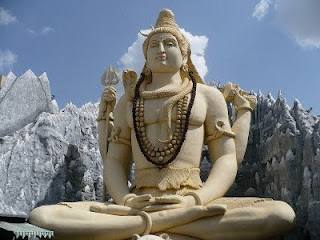
Hindu Gods Shivthe Destroyer  

Posted by Unknown in , , , , ,

Hindu Gods Shivthe Destroyer Image
Shiva (Sanskrit for "auspicous one") is one of the predominant Hindu deities. He is the Destroyer or Transformer of the Hindu trinity, also comprised of Brahma the Creator, and Vishnu the Preserver. He can also be known as Nataraja, the "Lord of Dancers", Sambhu "Benign", Samkara "Beneficent", Pasupati "Lord of Beasts", Mahesa "Great Lord" and Mahadeva "Great God", amongst others. He has possibly evolved from the older Vedic Rudra ("Howler"), Lord of the Hunt and of Storms.

He can either be depicted in an abstract form via the shiva lingam, a phallic symbol of the male creative energy, or in human form of a four-armed young man either deep in meditation or dancing the Cosmic Dance.

Perhaps the word "destroyer" is misleading, as destruction in this case leads to better things, clearing the way for the new, leaving by the wayside all that hinders and which is unhelpful or unhealthy. Much like the Death card in the Major Arcana of the Tarot, with death leading to rebirth.

His wife is Pavati (or Shakti), he is the father of Ganesha (remover of obstacles). He is indelibly linked with the Ganges River, when the Goddess Ganga fell to earth, he caught her in his hair, breaking her fall and allowing her to gentle trickle to the ground. He is often depicted with matted hair, piled on top of his head, pouring forth the waters of the Ganges.

One legend describes how Shiva travelled to the dense forests of South India, where there lived a large number of heretical sages. The sages argued amongst themselves, but eventually their ire became focussed upon Shiva. They conjured creatures to destroy him, firstly a tiger summoned from the sacrificial fires. Shiva simply hooked the fierce beast with his fingernail, skinned it and wrapped the hide around himself.

The sages tried again, this time their offerings brought forth a huge serpent. Shiva took the snake, and wrapped it around his neck, wearing it as a garland. Shiva began to dance.

The third and final attempt upon Shiva's life was to bring forth a monster in the form of malignant dwarf. Shiva pressed his foot against the dwarf and broke its back, leaving it prostrate and helpless upon the floor, and continued his dance.

Shiva Symbolism:


There are many symbols associated with Shiva, some of these are:-

Blue throat/skin - from a time when poison churned in the oceans, Shiva drank the poison and kept it in his throat, where it left a permanent stain.

Third Eye - representing wisdom and insight. This eye is often a source of a fierce cleansing fire, specifically focussing upon evil.

Cobra necklace and tiger skin - representing his mastery over the world's dangerous creatures (and evil), and also the power of destruction and recreation, as snakes are continually shedding their old and outgrown skins.

Trident - representing his powers of will, action and knowledge.

White Bull - the bull is his vehicle, and can represent power and ignorance, and in this context Shiva can be seen to exert his power and destroy ignorance.

Hour-glass drum - beating the rhythm of the universe, and of the dance.

Sources:


Wikipedia

religionfacts.com

bbc.co.uk

Picture from Wikipedia

Love and hugs


Blaidd